
Electric and servo motor repair
Industrial motor repair covering AC and DC rebuilds, servo motors, full rewinds, encoder and feedback repair, shaft and bearing replacement, and on-site field balancing. Every motor is surge tested, hi-pot tested, and vibration checked before it goes back on your floor.
What causes a servo motor to fail?
Five root causes account for the overwhelming majority of industrial motor failures. Knowing which one you are dealing with determines whether you need a rewind, a bearing job, or feedback repair — and whether the real problem is the motor at all.
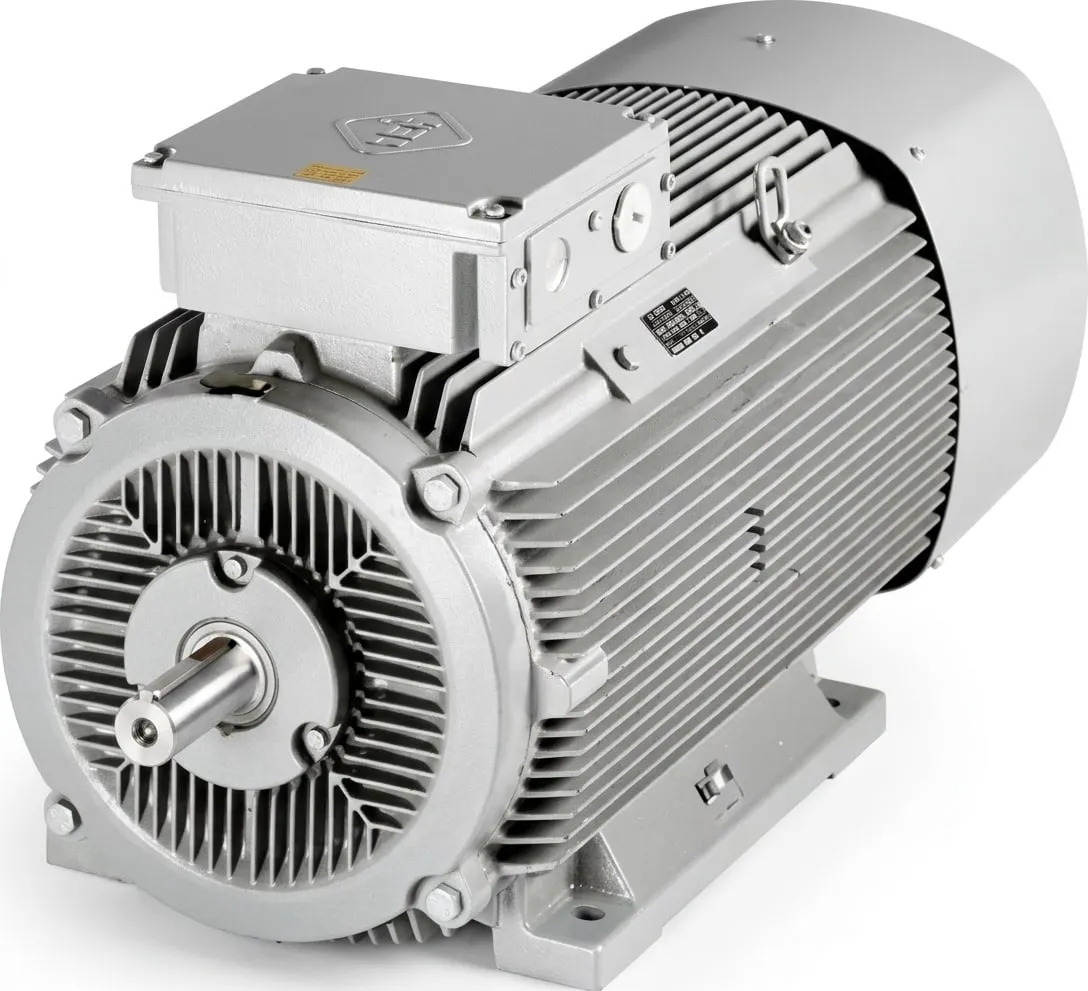
- Insulation breakdown
- Heat, voltage stress, and time degrade winding insulation until turn-to-turn shorts develop. Surge testing finds it before it becomes a ground fault; a full rewind restores it.
- Bearing wear
- The most common mechanical failure and the easiest to catch early. Vibration analysis identifies it well before the rotor starts contacting the stator.
- Encoder and feedback drift
- On a servo this reads as position error, following error alarms, or hunting at rest. The motor itself may be fine — the feedback device is what needs repair and realignment.
- Contamination
- Coolant and cutting oil ingress attacks insulation and bearings simultaneously. It is the leading reason a motor that was rebuilt eighteen months ago is back on the bench.
- Overheating
- Blocked cooling, an overloaded duty cycle, or a failing drive. The motor is often the casualty rather than the cause, which is why the drive gets checked too.
Testing on every job
A motor that spins on the bench is not a motor that has been proven. Three tests separate a repair from a guess, and the results come back with the unit.
Surge and hi-pot
Surge testing stresses turn-to-turn insulation to find weaknesses a resistance check cannot see. Hi-pot verifies the winding will hold off voltage to ground. Together they catch the failures that would otherwise show up a month after installation.
Insulation resistance
A megohm reading that establishes the condition of the insulation system as a whole, and a baseline you can trend against at the next PM instead of guessing.
Vibration analysis
Confirms balance and bearing condition after assembly, and identifies mechanical problems that would otherwise destroy a good rebuild within weeks of going back into service.
Beyond the motor
Motors rarely fail in isolation. A servo that keeps coming back is often being killed by its drive; a motor that overheats may be fighting a mechanical load that changed when something else wore out. Encoder faults in particular get misdiagnosed as motor faults constantly, because the symptom — position error, hunting, drive alarms — points at the motor while the cause sits in the feedback loop.
We handle the drives, encoders, and control electronics as their own line of work, so the whole loop can be addressed rather than the one component that happened to get removed first. See industrial electronic repair for what that covers. For robot cells, scheduled preventive maintenance catches most of this before it becomes a repair at all.
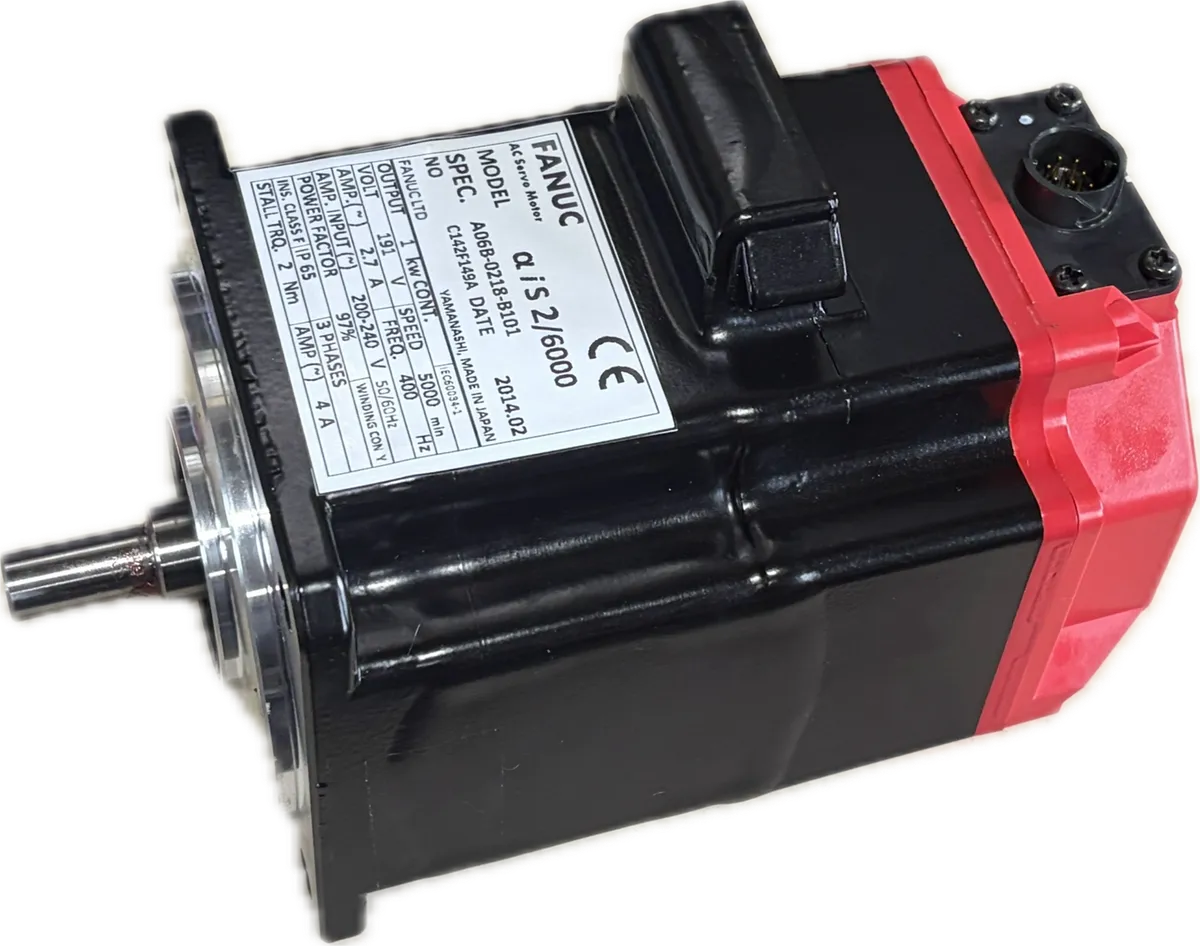
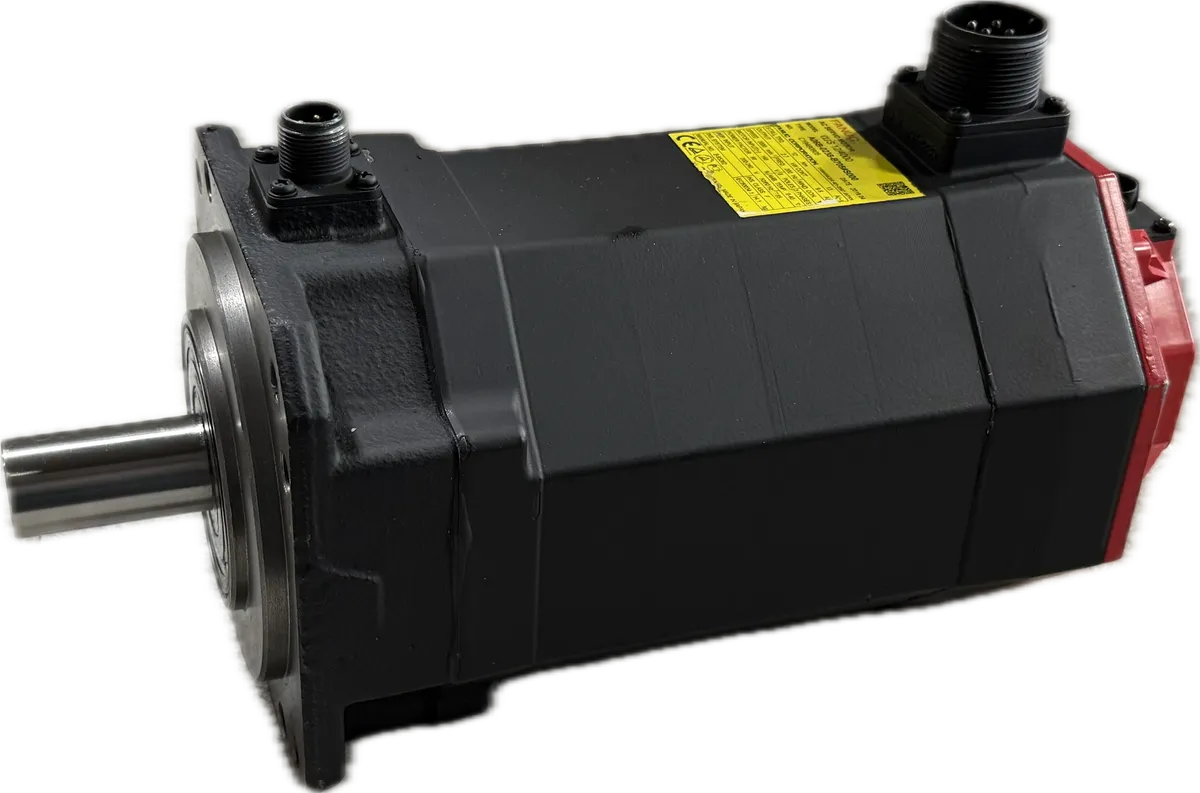
How long does a motor repair take?
A motor that does not need a rewind is back in 3-5 days. A full rewind runs 7-14. The incoming surge and insulation tests decide which of those you are looking at, so the window is set before the motor comes apart rather than discovered halfway through.
| Stage | Turnaround |
|---|---|
| Mechanical repair, no rewind Bearings, shafts, feedback devices — anything that leaves the windings intact. | 3-5 days |
| Full rewind Where surge testing finds the insulation system is gone. | 7-14 days |
Motor capabilities at a glance
- AC and DC motor rebuilds
- Servo motor repair
- Gearboxes, pumps, drives, and blowers
- Full rewind capabilities
- Encoder and feedback repair
- Shaft and bearing replacement
- On-site field balancing
- Induction
- Servo
- Vector
- Torque
- Asynchronous
- Surge and hi-pot
- Insulation resistance test
- Vibration analysis
Baldor · US Motors · WEG · SEW-Eurodrive · Fanuc · Siemens · Allen-Bradley · Mitsubishi · Yaskawa — and many more
Downtime doesn't wait for business hours.
Send the make, model, and what it's doing — or call the emergency line and talk it through. We'll tell you whether it's a rebuild, a replacement, or something you can run until the next shutdown.